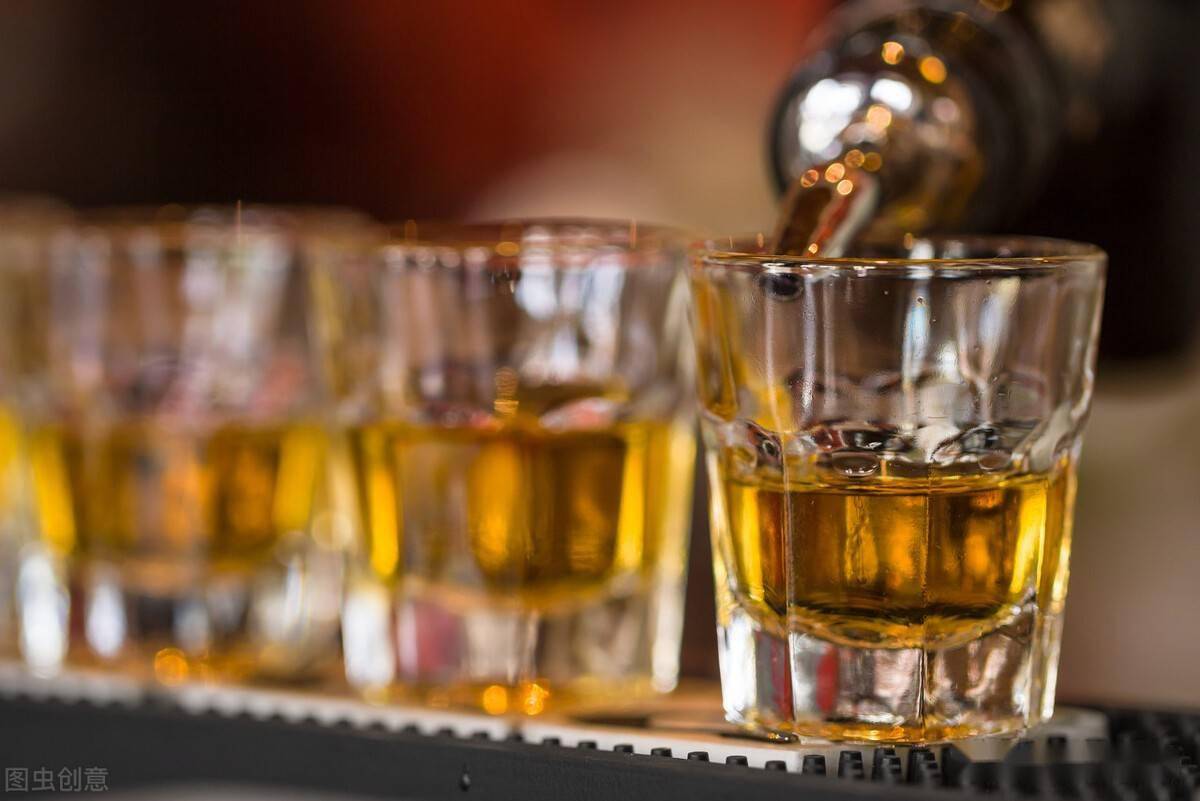
The concept of a Hong Kong wine cellar has transformed significantly in recent years, reflecting the city’s evolving lifestyle, economic growth, and global connections. Once considered a luxury reserved for the affluent, wine cellars in Hong Kong have become increasingly accessible to enthusiasts, collectors, and businesses alike. They represent not just a storage solution, but a cultural statement, an investment opportunity, and a reflection of sophisticated living in one of the world’s busiest and most cosmopolitan cities.
At its core, a Hong Kong wine cellar is designed to preserve the quality and integrity of wine over time. Proper storage conditions are crucial, as wine is highly sensitive to temperature, humidity, light, and vibration. A dedicated wine cellar ensures that bottles age gracefully, allowing complex flavors and aromas to develop. In a city like Hong Kong, where space is limited and apartments are often compact, creating a proper cellar can be challenging 香港酒窖. This has led to innovative solutions ranging from high-end private cellars to climate-controlled wine lockers offered by specialized facilities.
The rise of wine culture in Hong Kong has been influenced by several factors. The city’s status as a global financial hub has brought international exposure, allowing residents to develop a sophisticated palate. Frequent travel, international business interactions, and a strong expatriate community have all contributed to a growing interest in wine appreciation. Wine tastings, sommelier courses, and cellar tours have become increasingly popular, transforming wine from a casual beverage into a subject of study and refinement.
Investment potential is another reason why Hong Kong wine cellars have gained attention. Certain rare or vintage wines can appreciate significantly over time, making wine collection both a passion and a strategic financial choice. Investors often rely on professional advice to select bottles with high resale value, ensuring that their collection is both enjoyable and financially rewarding. This dual function of wine as a consumable and an asset makes the management of a Hong Kong wine cellar both an art and a science.
Technological advancements have further reshaped how Hong Kong residents manage their wine collections. Modern cellars are equipped with smart climate control systems, humidity regulators, and real-time monitoring devices that ensure optimal conditions. Some facilities even offer digital inventories and apps that allow collectors to track their wines, monitor their value, and manage storage remotely. These innovations have made wine collection more accessible, even for those who lack traditional cellar space at home.
Cultural appreciation also plays a significant role in the popularity of Hong Kong wine cellars. Wine is often paired with fine dining, celebratory occasions, and social gatherings, reflecting both tradition and modern lifestyle trends. Restaurants and hotels frequently showcase exclusive wine cellars to enhance their prestige, while private enthusiasts use their collections to entertain guests and express personal taste. In this way, a wine cellar becomes an extension of lifestyle and identity, blending practicality with aesthetics.
Global connectivity has also influenced the types of wines that populate Hong Kong wine cellars. French Bordeaux and Burgundy wines remain popular, while Italian, Spanish, and New world wines from Australia, the united states, and South america have found a growing audience. Wine fairs, auctions, and international exhibitions held in Hong Kong further expose collectors to emerging vintages and rare bottles, fueling interest and expanding knowledge. This global perspective has made Hong Kong a hub for wine appreciation in Asia.
Professional services have evolved alongside the demand for wine storage. Consultants, cellar designers, and wine advisors assist collectors in building and maintaining their collections. From optimizing space to recommending ideal storage conditions and purchasing strategies, these experts ensure that each Hong Kong wine cellar functions efficiently and preserves the integrity of its contents. Their guidance is particularly valuable for beginners, who may face steep learning curves when managing expensive or rare bottles.
Sustainability has also become a consideration for modern wine collectors. Eco-friendly storage solutions, energy-efficient climate control systems, and recyclable packaging materials are increasingly adopted to minimize environmental impact. As awareness of global environmental issues grows, integrating sustainable practices into a Hong Kong wine cellar is not only responsible but also aligns with broader trends in ethical consumption and lifestyle choices.
The social dimension of wine culture in Hong Kong should not be overlooked. Collectors often form communities, joining clubs, attending tasting events, and sharing insights about vintages, regions, and producers. These networks encourage knowledge exchange and provide platforms for enthusiasts to develop their passion. A well-maintained Hong Kong wine cellar can become a centerpiece of social interaction, offering a tangible connection between personal taste and community engagement.
Challenges exist in creating and maintaining a Hong Kong wine cellar. The high cost of real estate, limited residential space, and fluctuating climate conditions all pose practical difficulties. However, creative solutions such as shared wine storage facilities, modular cellars, and technologically advanced lockers have addressed many of these obstacles. These options make wine collection feasible for a broader segment of the population, democratizing access to a hobby that was once considered exclusive.