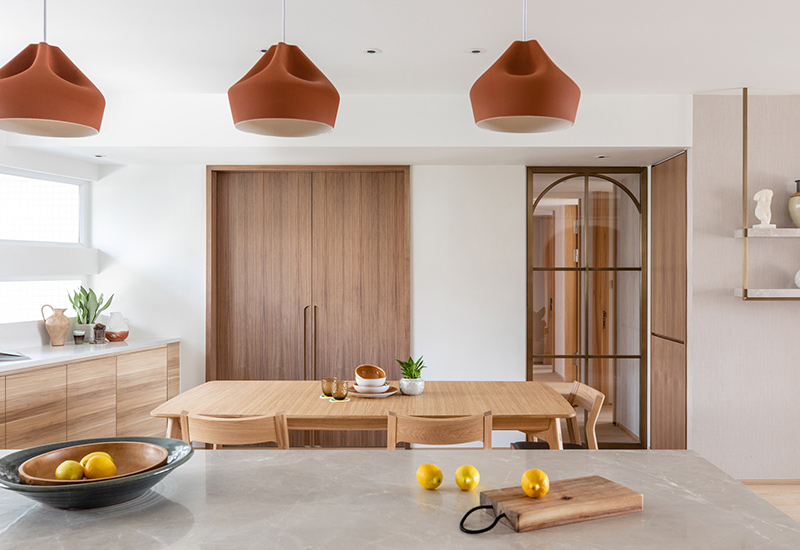
Interior design hong kong represents a distinctive blend of creativity, efficiency, and cultural expression shaped by one of the world’s most dynamic urban environments. Known for its dense skyline, limited living space, and fast-paced lifestyle, Hong Kong has developed a unique approach to interior design that balances practicality with refined aesthetics interior design. Designers in this vibrant city continuously innovate to create spaces that feel comfortable, functional, and visually inspiring despite spatial limitations.
Urban density has played a significant role in shaping interior design hong kong practices. Apartments and commercial spaces are often compact, requiring designers to maximize every square meter without sacrificing style or comfort. This challenge has encouraged the development of intelligent layouts, multifunctional furniture, and clever storage solutions. Rather than viewing small spaces as limitations, designers transform them into opportunities for innovation and efficiency.
One of the defining characteristics of interior design hong kong is its seamless integration of Eastern and Western influences. The city’s history as an international hub has created a cultural environment where traditional Chinese design elements coexist with modern global trends. Natural materials, balanced spatial arrangements, and symbolic décor inspired by cultural heritage are often combined with minimalist aesthetics and contemporary finishes. This fusion results in interiors that feel both timeless and modern.
Functionality remains at the core of design decisions. Residents value spaces that adapt to different daily activities, such as working, relaxing, and entertaining within the same area. Flexible furniture solutions, sliding partitions, and hidden storage systems allow rooms to change purpose effortlessly. Interior design hong kong focuses on enhancing usability while maintaining a sense of openness and calm within compact environments.
Lighting design is another essential element shaping interiors across the city. Due to limited natural light in many high-rise buildings, designers carefully layer lighting to create warmth and depth. Soft ambient lighting, accent fixtures, and reflective surfaces help expand visual space and improve mood. Thoughtful lighting arrangements not only enhance aesthetics but also influence how people experience their homes and workplaces.
Material selection plays a significant role in defining the identity of interior design hong kong. Designers often choose materials that reflect both durability and elegance, such as glass, metal, wood, and stone. Reflective surfaces and light-colored finishes are frequently used to create an illusion of spaciousness. At the same time, natural textures add warmth and prevent interiors from feeling overly industrial or cold.
Sustainability has become an increasingly important consideration within the industry. As environmental awareness grows, interior design hong kong increasingly incorporates eco-friendly materials, energy-efficient lighting, and sustainable construction methods. Designers aim to reduce environmental impact while maintaining high standards of comfort and visual appeal. Green design principles not only benefit the environment but also promote healthier indoor living conditions.
Technology integration has also transformed modern interiors. Smart home systems are becoming more common, allowing residents to control lighting, climate, and security through digital devices. Interior design hong kong embraces these innovations by seamlessly embedding technology into design concepts without compromising aesthetics. Hidden wiring, integrated devices, and minimalist interfaces help maintain clean and uncluttered environments.
Commercial spaces in Hong Kong showcase another dimension of design creativity. Offices, retail stores, and hospitality venues emphasize branding and customer experience through carefully curated interiors. Designers use spatial storytelling, color psychology, and customized layouts to create memorable environments that reflect a company’s identity. The competitive business landscape encourages constant experimentation and originality in commercial interior design.
Residential design trends continue to evolve alongside lifestyle changes. Remote work has influenced how homes are organized, leading to the creation of flexible workspaces within living areas. Interior design hong kong adapts by incorporating compact desks, acoustic solutions, and ergonomic layouts that support productivity without overwhelming residential comfort. This adaptability highlights the industry’s responsiveness to social and economic shifts.
Color palettes in Hong Kong interiors often reflect a desire for balance and tranquility. Neutral tones dominate many spaces, providing a calm backdrop that counters the intensity of urban life. Designers frequently introduce subtle accents through textiles, artwork, or decorative elements to add personality without clutter. The result is an environment that feels peaceful while still expressing individuality.
Another defining aspect of interior design hong kong is the emphasis on craftsmanship. Custom-built furniture and tailored storage solutions are common due to unique spatial requirements. Skilled artisans collaborate closely with designers to create pieces that fit precisely within limited dimensions. This attention to detail ensures that every element contributes to both function and visual harmony.
Cultural symbolism continues to influence design choices across many projects. Concepts related to balance, flow, and harmony often guide spatial planning. While modern aesthetics dominate contemporary interiors, subtle references to cultural traditions remain present through artwork, materials, or layout principles. This blend of heritage and innovation reflects the city’s evolving identity.
Public spaces and shared environments also benefit from advanced design thinking. Hotels, restaurants, and community areas use interior design to create immersive experiences that attract both residents and visitors. Designers focus on atmosphere, comfort, and storytelling, transforming spaces into destinations rather than merely functional locations. These environments often become iconic representations of Hong Kong’s creative energy.
The role of personalization has grown significantly in recent years. Clients increasingly seek interiors that reflect their lifestyles and values rather than following generic trends. Interior design hong kong responds by offering customized solutions tailored to individual preferences. Designers collaborate closely with clients to understand habits, routines, and aspirations, ensuring that each project feels unique and meaningful.
Innovation continues to drive the future of the industry. New materials, digital visualization tools, and sustainable technologies allow designers to experiment with bold concepts while maintaining practicality. Virtual design previews help clients visualize spaces before construction begins, improving communication and reducing costly adjustments. These advancements enhance efficiency and creative freedom simultaneously.
Education and professional development also contribute to the growth of interior design hong kong. Design institutions and creative communities encourage collaboration, research, and experimentation. Emerging designers bring fresh perspectives, blending global inspiration with local cultural understanding. This ongoing exchange of ideas keeps the industry dynamic and forward-thinking.
In conclusion, interior design hong kong represents a powerful response to urban challenges and cultural diversity. By combining efficiency, innovation, and artistic expression, designers create spaces that support modern lifestyles while maintaining emotional comfort. The city’s unique environment continues to inspire creative solutions that redefine how people live and interact with their surroundings. As technology advances and sustainability becomes increasingly important, interior design hong kong will continue evolving, shaping the future of urban living through thoughtful and imaginative design.